
Zoeken op HDHL
Filters
De resultaten worden direct bijgewerkt zodra je een filter aanpast.
351
resultaten
 The Fit4Food2030 project was a Horizon 2020 Coordination and Support Action (CSA) that began on November 1, 2017, and ran for three years. The consortium concluded in December 2020, after which the European Commission published the final report.
 FOOD SYSTEM The University of Copenhagen is leading a comprehensive new EU project, CLEVERFOOD, that will facilitate a society-wide mobilisation of European citizens to transform the European food system that benefits climate, sustainability, biodiversity and public health. JPI HDHL is involved as a partner in the CLEVERFOOD consortium.
 Today is World Obesity Day, an annual event that gives the opportunity to raise awareness about obesity and the role it plays in human health worldwide. Due to many misconceptions, obesity is a challenging topic to address. However, we need to talk, debate and inform about obesity in order to shift norms and create a healthier future.
 Funders meet in Brussels for the future Sustainable Food Systems (SFS) Partnership FOODPathS.
 What an incredible time in Bucharest. The Management Board (MB) of JPI HDHL gathered together in Romania to exchange knowledge and information, look ahead to the future and to welcome a new member!
 24 research groups from 7 countries involved in 6 research projects will start working for the upcoming three years to gather new insights about the relationship between nutrition and immunity. Nine additional research teams will collaborate with them with own resources.
 HDHL (through ZonMw) is a partner in the new EU-funded project CLEVERFOOD. The aim is to transform the European food system towards a more regenerative, resilient and plant-based food system.
 All projects funded within the HDHL-INTIMIC cofunded call are finished. The call on “Interrelation of the INtesTInal MICrobiome, Diet and Health” was launched in 2017 as part of HDHL-INTIMIC. It was co-funded by the EC, aiming to fund transnational research projects that address the causal relationship of diet, the intestinal microbiome and health.
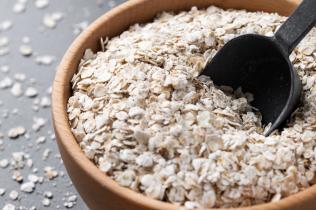 NAFLD affects 25-30% globally, yet lacks specific treatment. Research now targets the liver–gut axis and bile acids. Soluble fibers, like oat β-glucans, may improve liver health by binding bile acids and altering the gut microbiota to improve metabolic parameters.
 Obesity and high (saturated) fat intake drive non-alcoholic fatty liver disease (NAFLD) via the gut microbiota. However, the exact interaction between dietary fats and the microbiome in causing this disease remains unknown.
 HDHL would like to announce several changes in the Scientific Advisory Board (SAB).