
Events
Upcoming Events
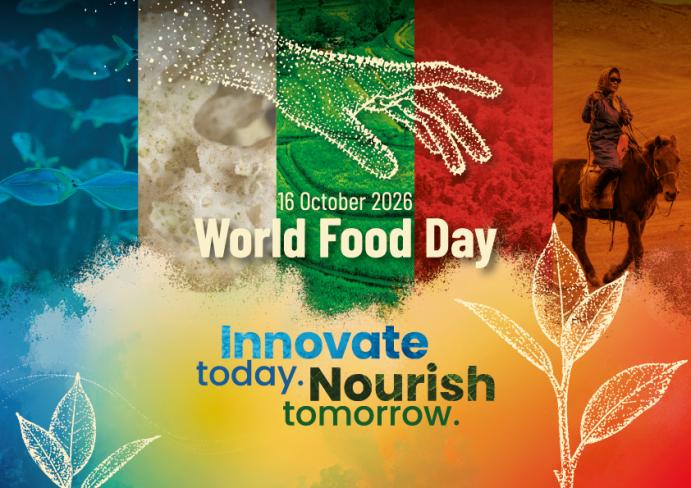

EFFoST International Conference 2026
Join the EFFoST International Conference 2026 in Poznan...

HDHL Food4Health Consortium Meeting
Internal HDHL Food4Health Consortium Meeting.
CLEVERFOOD and FOOD 2030 Networks Conference
This conference aims to showcase how CLEVERFOOD KERs are...
Past Events
Past Webinars
-
Background
Negative health outcomes linked to unhealthy dietary habits continue to rise, with children being particularly affected. In light of this, the webinar explored recent findings on existing legislation and research focused on protecting children from the harmful effects of food marketing.
Marketing plays a significant role in shaping children's dietary preferences, as it is deeply embedded in their daily food environment across various settings. These include digital platforms, sports clubs, and television. Yet, despite the growing evidence on its impact, current policies aimed at protecting children from the marketing of unhealthy products remain limited. This underscores the need for continued discussion and policy development.
Short recap
The webinar facilitated the exchange of current research and policy strategies focused on protecting children from unhealthy food marketing. A diverse group of experts was invited to share their experiences on the topic. Speakers, including Charlene Elliot, Olga Zhiteneva, Jean Adamas, and Liv Elin Torheim, discussed and explored both existing research and current policy efforts, while also considering future strategies. Insights from recent studies on teen-targeted food marketing were shared, as well as experiences in developing these marketing restricting regulations, with recent legislative examples from the UK and Norway and latest developments of the WHO. Additionally, a discussion on the challenges and successes of introducing these regulations was held at the end, highlighting the difficulties of industry pushback and the influence of political will. Throughout the webinar, there was a strong emphasis on the critical need for these policies, with the ultimate goal of creating an environment that encourages healthier eating habits for children and the broader population.
Relevant links
Were you not able to attend our webinar, or curious about the presentations? You can find the link to the presentations and the recording below.
- Presentation Charlene Elliott, Professor at the University of Calgary
- Presentation Olga Zhiteneva, WHO Regional Office for Europe
- Presentation Jean Adams - Evaluating new regulations on food marketing in the UK
- Presentation Liv Elin Torheim, Senior Advisor on Public Health Nutrition at the Norwegian Ministry of Health and Care Services
-
This webinar focuses on the latest evidence on type 2 diabetes (T2D) remission and the factors contributing to successful remission. We also discuss the lessons learned from the implementation of the T2D remission programme across the United Kingdom.
The webinar is moderated by John Mathers, Professor of Human Nutrition at Newcastle University and Chair of HDHL Scientific Advisory Board. The following speakers share their expertise on type 2 diabetes:
- Roy Taylor, Professor of Medicine and Metabolism Emeritus at Newcastle University
- Susan Jebb, Professor of Diet and Population Health at the University of Oxford
-
Background
Type 2 diabetes (T2D) continues to pose a significant public health challenge globally, despite advances in prevention strategies. This HDHL webinar, Rethinking Type 2 Diabetes: Effective Prevention Strategies and Overcoming Barriers to Implementation, brought together international experts to share their experiences and insights on the latest approaches to T2D prevention and the practical obstacles faced in real-world implementation. The discussion highlighted the importance of tailored, culturally sensitive interventions and sustainable program design to improve prevention outcomes.
Recap
The webinar brought together three international experts sharing diverse insights on T2D prevention. Janna Lindström presented Finland’s experience as a leader in chronic disease prevention, discussing both achievements and challenges in sustaining national T2D programs. Mary Jung shared the Canadian Small Steps for Big Changes program, focusing on community-level implementation and participant engagement. Jason Gill provided important perspectives on ethnic differences in T2D, particularly among South Asian populations, highlighting the need for tailored prevention strategies. Together, their presentations and panel discussion illuminated key barriers and solutions to effective T2D prevention worldwide.
Relevant links
- Presentation Jaana Lindström, Finnish Institute for Health and Welfare, and University of Eastern Finland
- Presentation Jason Gill, University of Glasgow
- Presentation Mary Jung, University of British Columbia
-
Background
The global food system is under immense pressure. Climate change, population growth, resource scarcity, and the need for healthier diets are driving the urgent need for transformation. Artificial Intelligence (AI) offers groundbreaking solutions—not only for improving food production and supply chain efficiency but also for enhancing nutrition and public health outcomes.
AI-driven innovations can revolutionize how we predict food quality, optimise sustainable production, and personalise nutrition to support healthier lifestyles. By integrating AI with nutrition science and sustainable practices, we can create food systems that are not only more resilient and efficient but also healthier and more inclusive for all.
Recap
The webinar brought together researchers, private sector, and academia to explore the transformative potential of AI in reshaping food systems. Through expert presentations and discussions, participants will explore AI-driven solutions for mitigating food system challanges, enhancing resilience, and addressing ethical and policy considerations.
Relevant links
- Presentation Dr. Xuezhen Guo, Wageningen University & Research
- Presentation Bernard Lahousse, Foodpairing
- Presentation Dmitry Dementiev, GeoPard
- Dr. Alvija Šalaševičienė, Kaunas University of Technology
-
This webinar focused on ‘Inspiring food systems cases’ presenting insights from initiatives that are transforming European food systems for sustainable outcomes.
The webinar engaged a range of stakeholders working on sustainable food system transformation from researchers and policy makers to people working in private companies and NGOs by providing succesful examples of food system cases in practice.
Moderated by FOODPathS coordinator Hugo de Vries the webinar started with a presentation by Maurine Mamès of INRAE, who shared exemplary food system cases and methodologies to compare them. This was followed by three cases,
- one by Lorenza Lirosi of FoodDrinkEurope on public-private partnerships and Living Labs;
- the second, by Louise Johansen of the Vegetarian Society of Denmark and the CLEVERFOOD project, on a stakeholder co-creation process for a sustainable national plant-based food action plan; and
- the third by Anna Bruen from ICLEI, focusing on city level initiatives.
-
This webinar, organised by FOODPathS in collaboration with HDHL, focused on the important role that current higher education systems play in transforming food systems to be more sustainable and healthier.
After the introduction made by Katherine Flynn (ISEKI Food), Gabriéla Versteeg from EFFoST presented the work done by FOODPathS project on establishing a network of university-driven local food ecosystems. Following this, Eduardo Urias from VU Amsterdam presented the CLEVERFOOD project’s work focusing on establishing a network to collaborate on transforming higher education teaching. You can download the presentations at the end of this page.
Additionally, a panel discussion was held, featuring perspectives from policy (Francesca Felici, FAO), industry (Maarten van der Kamp, EIT Food), higher education institutions (Marjan de Boer, Aeres University of Applied Sciences), and students (Egi Kolay & Ines Teixeira Duarte, ENDietS). The discussion aimed to identify further innovations needed to create better educational systems that meet the needs of food systems transformation. The insights from this webinar will contribute to the European Partnership for Sustainable Food Systems (FutureFoodS), particularly in advancing educational innovation for sustainable food systems.
-
Background
This webinar explored the intersection between health and sustainability within current food systems research. Often, research efforts primarily focus on one aspect like sustainability, while the health aspect is overlooked. For instance, products marketed as environmentally friendly (e.g. meat substitutes) may not always align with health recommendations. Thus, it remains a challenge to effectively balance sustainability and health considerations in food system research.
Short Recap
The lively discussion, led by Laura Fernández Celemín, included expert views from Dr. Fabrice DeClerk and Prof. Pieter van't Veer on the vital links between health and sustainability in food system research.
One of the key takeaways is the need of listening to all stakeholders and collaborating across disciplines to discover solutions. Collaborating with all stakeholders is crucial for improving the food system and implementing solutions.
The conversation expanded to include examples of applying sustainability practices at the local level, such as in cities, as well as the need for broader change, which necessitates powerful players taking multidisciplinary initiatives. Finally, we explored future study subjects to assure the change of the food system and the accountability of all concerned parties.
Relevant links
You can access the recording below.
-
Background
As a follow-up to two previous webinars on ultra-processed foods, this webinar focused on what is needed in terms of policy. This webinar took place in collaboration with the Bioeconomy Changemakers Festival. Scheduled from March 11 to 17, 2024, the festival aimed to involve youth in driving transformative change for addressing current challenges in Europe and unlocking the bioeconomy's potential.
Short Recap
The webinar delved into the complexities surrounding Ultra-Processed Foods (UPF) and their role in our food systems and the bioeconomy. Key points raised included the need for transparent data for policy-making, the tension between profit margins and sustainability for food retailers, and the complexity of influencing consumer behavior towards healthier choices. There was an emphasis on the importance of systemic approaches.
The event also featured a career session aimed at delving into the diverse and inspiring career paths of experienced policymakers and bioeconomy experts.
Relevant links
You can acces the recordings and presentations below.
- Bioeconomy, food systems and ultra-proccessed food - Ingeborg Korme, Coordinator of ERA-NET Blue Bioeconomy and Science-Policy Advisor
- Edith Feskens, Professor and Chair of Global Nutrition
- Tackling the problem of ultra-processed food - Megan Blake, Senior Lecturer in Human Geography
-
Background
Every year on October 16th, the United Nations celebrates World Food Day. This year’s theme is “Water is life, water is food. Leave no one behind”, focusing on the importance of water resources on food systems preservation and ensuring its equal distribution all over the world. Especially with the challenges of the current food system landscape, a systems approach is needed where governments, institutions, and researchers work together. Their call to action is to enhance knowledge and evidence-based policy recommendations that capitalize on data, innovation and cross-sectoral coordination. This gives the opportunity to better plan water management, incentivise farmers, and involve the private sector to cooperate in integrated solutions for a more efficient and less waste of water use.
With a growing population, there is a higher demand for food, animal feed and biofuel. Together we need to ensure that the food supply chain becomes more sustainable by, amongst other things, using less water. This means decreasing the use of water during the production, but also decreasing food waste so there is less water waste and finding safe ways to reuse it while preventing water pollution. However, it is also essential that we ensure that food products remain nutritious, safe, and affordable to consume while using and wasting less water. For this occasion, the joint programming initiative ‘Healthy Diet, Healthy Life’ (HDHL), has organised a special webinar on 16th of October 2023. HDHL will use this opportunity to bring together representatives from a health, food, or systemic perspective as well as researchers, policymakers, and other institutes.
Short Recap
On this year's World Food Day, we delved into the topic of food, water, and sustainability. The theme, "Water is life, water is food. Leave no one behind" illuminated the critical role water resources play in global food systems.
Our special webinar brought together experts from diverse fields - health, food, and systems perspectives, as well as researchers and policymakers. The consensus? A systems approach is imperative. The full event was moderated by Wouter Spek.
FAO's Lorenzo Bellù stressed the need for radical transformation, with both social and technological innovation at its core. Kremlin Wickramasinghe of World Health Organization echoed the call for systems thinking.
But it doesn't end there. The webinar featured enlightening discussions, good practices, and a call to action to experiment and innovate from SYSTEMIC, Water4Agrifood initiative, Joint Programming Initiative on Agriculture, Food Security and Climate Change (FACCE-JPI), JPI Oceans, and HDHL.Relevant links
You can acces the full recording and presentations of the different speakers below.
- Presentation Food and Agriculture Organsition - Bellù
- Presentation SYSTEMIC - Bindi
- Presentation Water4AgriFood - Ventrella
-
After a very sucessful first webinar on the topic 'Ultra-processed foods', we are currently organising a follow-up webinar in the form of a panel discussion with key experts on the topic. This to shine a more balanced light on ultra- processed foods from various perspectives and to explore the latest scientific insights into the health, food and practical implementation aspects. Questions that were asked during the first webinar will be included in this webinar. If you missed the first webinar, no problem! You can easily join this webinar or rewatch the first webinar here.
Relevant Links
-
Background
The term ultra-processed foods often ignites strong opinions and even controversies. HDHL organised a webinar with key experts on the topic, to shine a more balanced light on ultra- processed foods from various perspectives and to explore the latest scientific insights into health, equity and sustainability. Questions such as what are the advantages and disadvantages? What is the role of ultra-processed foods from a health equity perspective? These and more were addressed during the upcoming HDHL webinar.
Relevant Links
- Introduction HDHL - Jessie Doppler, Chair Healthy Diet, Healthy Life (HDHL)
- Ultra-processed foods and human health: the thesis and the evidence - Prof. Carlos A. Monteiro, University of Sao Paulo
- How do ultra-processed diets drive overeating and weight gain? - Dr. Kevin Hall, National Institutes of Health
- Ultra-processed food and drinks: how to proceed? - Prof. Edith Feskens, Wageningen University & Research
-
Background
The 2nd webinar of the joint programming initiative Healthy Diet, Healthy Life took place on January 31, 2023 and adressed the instant relevant topic Food (in)security due to crisis. The webinar was moderated by one of our SAB members, Prof. Karsten Kohler from the Technical University of Munich. There were two speakers Dr. Megan Blake and Prof. Corinna Hawkes. Dr. Hugo de Vries (INRAE) joined during the pannel discussion to go more in depth about the topic.
Recap Presentation Dr. Megan Blake
The presentation from Dr. Megan Blake will entail the Food Ladders approach which aims to provide a framework for communities to understand what kind of support they are providing and then work toward building local capability to create self-organised transformation in food systems, nutritional health, mental health and well-being. Capability enhancement helps repair the individual and community damage caused by the experiences of food insecurity and is a vital rung in the ladder. She futhermore set out the damage caused by food insecurity in communities, outlined the Food Ladders framework, and, drawn from the UK context, provided some examples of local interventions that enhance capabilities leading toward transformation.
Recap Presentation Prof. Corinna Hawkes
Prof. Corinna Hawkes focused on (1) how the current food security crisis threatens to amplify our existing health crisis of dietary inequalities; and (2) why policy and actions to address dietary inequalities in this context must consider the full picture of people’s realities in order to be effective and equitable. The context is that the world is experiencing the greatest cost of living crisis in a generation. Crises have always highlighted inequities in our societies. With food prices at near record levels globally, rapidly rising inflation, and economic instability, many people living in situations of constraint have no choice but to skip meals, reduce the amount they eat, prepare meals with fewer nutritious foods, and buy cheaper, starchy staples and ultra-processed foods. The implications for health inequalities are dire: increased dietary disparities will worsen food insecurity, malnutrition, obesity, and diet- related disease among those who are struggling most. The presentation will present the Food Realities Jigsaw as a way of highlighting the situation will only be effectively addressed if it takes people’s lived experiences of the food crisis into account.
Relevant Links
You can access the full recording and presentations below.
- Food insecurity due to crisis: Removing vulnarability and building resilience to food insecurity with Food Ladders - Dr. Megan Blake, University of Sheffield
- Food (in)security and dietary inequalities in times of crisis - Prof. Corinna Hawkes, Univeristy of London
-
Background
The 1st webinar of the Joint programming initiative Healthy Diet, Healthy Life took place on December 1, 2022 and more that 150 people attended online to gain more insight in Changing dietary behaviour: from individual to collective levers to accelerate the transition to healthy and sustainable diets. The participants represented a wide variety of stakeholders in the area of food, nutrition and health and came together to discuss how to shift dietary behaviour collectively towards more healthy and sustainable diets.
Short Recap
The webinar started with an introduction from the coordinator Jessie Doppler, followed by a welcome word of the moderator Laura Fernández (Chair of our Stakeholder Advisory Board). Thereafter, four presentations were given by Daniela Luth, Mario Mazzocchi, Paula Varela-Tomasco, and Janas Harrington.
Relevant links
You can acces the full recording and presentations below.
- DG RTD Unit "Bioeconomy and Food Systems" - Daniela Lüth, Policy Officer European Commission
- Price and price interventions as signals - Prof. Mario Mazzocchi, Univeristy of Bologna
- Palatable, nutrient-dense and culturally-relevant foods for prevention of undernutrition in active aging - Prof. Paula Varela, Nofima
- Changes and opportunities to transitioning to more sustainable and healthier diets - Janas Harrington, University college Cork
Past Workshops
-
Background
At the IUNS-ICN 2025 Congress in Paris, HDHL hosted a well-attended symposium titled “Striking the Balance – Navigating Food Processing and Sustainability for a Better Future.” The session brought together leading experts to explore how food processing can support the transition towards healthier and more sustainable diets. Together, the speakers emphasised that while plant-based foods are essential for sustainable diets, processing plays a crucial role in making them nutritious, acceptable, and appealing to consumers. From consumer trust to product innovation, the talks demonstrated that sustainability and processing must progress hand in hand.The IUNS-ICN Congress is the world’s largest scientific meeting in nutrition, bringing together thousands of researchers, policymakers, and practitioners from across the globe. It provides a unique platform to exchange knowledge, set future agendas, and strengthen international collaboration in nutrition and health.
Relevant links
- Presentation Jayne Woodside (Queen’s University Belfast) – Nutritional Quality of Plant Based-Foods and Diets
- Presentation Simona Grasso (University College Dublin) – Consumer Attitudes and Purchase Intentions Toward Upcycled and Hybrid Foods
- Presentation Vincenzo Fogliano (Wageningen University & Research) – Food Processing for Future Food Products
-
Background
The workshop “The (im)possible coherence? – Science-Policy, Blockages and Transformation” aimed to contribute to understanding the evolving role of science-based policy advice, along with the dynamics of science-policy and science-society interfaces in organising such advice. The aim was furhtermore to understand the role of interdisciplinary and transdisciplinary research in science advice and how it can contribute to the governance of science-policy interfaces.
Report
The summary report, written by Cristobal Marin Rojas from the FACCE-JPI Secretariat, provides an in-depth overview of the contributions of the guest speakers and of the interactive activity that followed, in which participants were split into groups and encouraged to collaboratively reflect on what attracts or repels policymakers, identify incentives and barriers they face, draw lessons from case studies, determine metrics for measuring success, and think about how can FACCE-JPI and HDHL facilitate achieving coherence in the intersection between science and research.
Relevant links
-
Background
COVID-19 turned into a global pandemic fast and might be here to stay for the foreseeable future. There are many links between food systems and COVID-19, and within this broader context there seems to be a strong relation between diet, nutrition and the virus. On the one hand, obesity and diet-related disease appear to significantly increase the risks of COVID-19. At the same time, measures implemented because of the pandemic, such as mandatory lockdowns, are impacting people’s everyday behaviour, including diet and physical activity. That is why HDHL organised an online workshop on June 17, 2020, titled ‘Food, nutrition, physical activity and COVID-19: defining what we know and still need to know in the research area of HDHL’. We were joined by around 150 participants from all over Europe during the course of the workshop.
Relavant links
You can access the full recording and presentation below.
- Full recording
- Presentation on the clinical aspects of Covid-19 and nutrition - Dr. Christophe Matthys, KU Leuven
- Presentation on Covid-19 and dietary and physical activity behaviour - Prof. Emely de Vet, Wageningen University
- Programme of the day.
-
Background
On the 13th of May 2015, during the EXPO 2015 in Milan, the European Joint Programming Initiatives on Agriculture, Food Security and Climate Change (FACCE-JPI) and Healthy Diet, Healthy Life (HDHL) organized the "Grand Debate on Nutrition Security – a whole system approach".
Recap
The Grand Debate, supported by the European Commission, focussed on the impact of climate change on providing a sustainable food supply that has the nutritional requirements to ensure a healthy population. The Grand Debate aimed to bring together approximately 100 leading researchers, policy makers and politicians to:
- Facilitate a dialogue between international and national stakeholders to deepen our understanding of the challenge we are facing in providing future generations with a sustainable and nutritious food supply thereby ensuring a healthy population.
- Identify the role that both Initiatives and their Member States can play in tackling this societal challenge through the articulation of the research questions that should be addressed both individually and collaboratively by the Initiatives.
Relevant links
You can find the key messages of the grand debate here.
Past Conferences
-
Background
If the evidence for healthier and more sustainable food environments is clear, why does change remain slow? Across Europe, rising chronic disease, widening inequalities, and increasing climate pressures continue to challenge public health systems. At the same time, ongoing EU initiatives—such as the EU Cardiovascular Health Plan (Safe Hearts Plan), Healthier Together – EU NCD Initiative, Europe’s Beating Cancer Plan, and climate and environmental targets—offer important windows of opportunity for action.
Rather than assuming that stronger evidence alone will drive policy change, the conference set out to critically examine the broader power dynamics shaping food environments and influencing decision-making in Europe.
Racap
The HDHL Conference 2026 brought together researchers, policymakers, civil society, international organisations, industry representatives, and early‑career researchers to address a shared question: if the evidence on healthy and sustainable food environments is strong, why is progress still so slow?
Across plenary discussions, panels, policy labs and interactive sessions, participants largely agreed that the main barriers to action are not technical or scientific, but lie in power relations, governance choices, and how evidence is translated into policy and practice.
Relevant Links
- Full HDHL Conference Programme
- HDHL Conference 2026 Report
- HDHL Conference 2026 Brief
- Keynote Presentation Eileen Gibney
- Keynote Presentation Kremlin Wickramasinghe
- Presentations Session "Strategies to Tackle Undernutrition in Older Adults - Implications for Implementation and Action"
- Presentations Session "Food and Healthy Equity: Addressing Vulnerability in Research"
-
Background
The 6th international conference of the joint programming initiative Healthy Diet, Healthy Life took place digitally on April 20 and 21, 2021. We welcomed over 250 users in our digital conference platform over these 2 days. The conference was themed 10 years of JPI HDHL: supporting the connection between food and health towards a systemic approach.
In 2020 we reached a milestone: 10 years of JPI HDHL. The 6th international conference offered the perfect opportunity to discuss with our stakeholders how we can build on our experiences and achievements. While there are many lessons to be learned and shared, one of the main recurring issues is how nutrition often falls in the gap between the themes of health and food. HDHL stands for the need to bridge that gap, to ensure that nutrition research and policy receives the attention it deserves. This is part of the urgent, broader call for a food systems approach. Therefore, during the conference we explored how a systemic approach could be implemented to create more impact; what does this mean for scientists? What does it mean at a policy level? And how could we better connect the two? Through topical keynotes, a panel, workshops and informal discussions we covered these and other questions relevant to the future of food, nutrition and health research.
Short recap
During the conference we celebrated our 10-year anniversary and looked towards the future. HDHL presented two new publications that provide a short overview of our work and some key moments:
- Leaflet
- Timeline
During the year we als published several videos reflecting on 10 years JPI HDHL, you can find the playlist here.
Relevant links
You can access the recording of several sessions and download the presentations from the different speakers below.
Keynotes
- Triggering transformation to a sustainable and healthy food system: the strategic role of the science-policy interface - Dr. Sébastien Treyer, Executive Director of the Institute for Sustainable Development and International Relations
- Advances in nutrition and health research over the past 10 years and a glimpse into the future - Prof. dr. John Mathers, Newcastle University - HDHL Scientific Advisory Board Chair
Inspiration sessions
- Co-designing impact pathways (Recording) - Beatrix Wepner and M.A. Petra Wagner, AIT Austrian Institute of Technology
- Applying an integrated approach to the challenge of sustainable food systems: insights from the SYSTEMIC project - Dr. Habtamu Alem, Norwegian Institute of Bioeconomy Research
- Co-designing impact pathways How to make healthy and sustainable diets accessible and just for all - The Just Food-research project represented by: Prof. dr. Minna Kaljonen, Finnish Environment Institute - Dr Liisa Valsta, National Institute for Health and Welfare - Dr. Teea Kortetmäki, University of Jyväskylä
- Early-life nutrition, epigenetics and life course health – where science has taken us - Dr. Janine Felix, Erasmus MC, project leader JPI HDHL NutriPROGRAM project - Prof. dr. Marjo-Riitta Järvelin, Imperial College London, project leader HDHL PREcisE project"
- Creativity and transformation design - Dr. Marjoleine van der Meij, FALW Athena Institute
Workshops
- Health promotion through physical activity and nutrition synergies - Dr. Marie-Eve Piché MD PhD, Quebec Heart and Lung Institute, Laval University - Dr. David Thivel PhD, AME2P laboratory, Clermont Auvergne University - Dr. Wendy van Lippevelde, ISBNPA, HDHL SHAB
- PEN-ECN - Building a sustainable network of Early Career Researchers in the online era - JPI HDHL PEN project Early Career Network represented by: Dr. Liam Kelly, University of Limerick - Dr. Alexia Sawyer, Amsterdam UMC - Dr. Beatrice Biondi, University of Bologna - Isobel Stanley, University College Dublin - Sanne Djojosoeparto, Utrecht University
- Implementing a systems approach in research practice: a case study on food waste free food systems - Dr. Hilke Bos-Brouwers, Wageningen University & Research
- Generating research impact: the next step - Sarah Slaghuis, The Netherlands Organisation for Health Research and Development - Prof. dr. Mireille van Poppel, University of Graz, Project leader HDHL I-PREGNO project
-
Background
The 5th international conference of the joint programming initiative Healthy Diet, Healthy Life took place on February 20, 2019 in Brussels and welcomed about 240 people to debate on our conference theme Diet as leverage point towards a healthy and sustainable food system. The participants represented a wide variety of stakeholders in the area of food, nutrition and health and came together to discuss the state of the art in the field of HDHL and look towards the future.
The battle against unhealthy lifestyles is interconnected with other societal challenges, in particular the effect of food production and consumption on biodiversity and climate change, and vice versa. The future-proofing of our food system is a huge challenge and the subject of much ongoing debate. HDHL adheres to the viewpoint that diet is one of the main leverage points towards a healthy and future proof food system. But despite the importance of nutrition in the food system, the research area that deals with the links between nutrition and health as well nutrition related public health interventions often falls in between the agricultural and health domain with a risk of underinvestment – whereas knowledge is needed to underpin policy & interventions to work towards a healthy sustainable society.
Short recap
During the 5th HDHL conference, these were some of the questions we explored. With a panel of experts we also discussed why nutrition is relatively underfunded and how this may be improved, and how to better connect policy needs and Research and Innovation (R&I). Furthermore, we took stock of what HDHL has been working on and topics like impact of research projects and consumer behavior were addressed in workshops and inspiration sessions.
Relevant links
You can access the recordings of the Vlog contest and download the presentations from the different speakers below.
- Conference report
- Programme of the day
- Playlist Early Career Scientist Vlog contest
Keynotes
- Initiating change for future-proof food systems and the role of gastronomy - Dr. Line Gordon, director of the Stockholm Resilience Centre
- The state of the art in nutrition, diet and health and the presentation of the new JPI HDHL Strategic Research Agenda - Helen Roche, University College of Dublin
- General JPI HDHL presentation studio
Inspiration sessions
- The art of a dialogue for a healthy and sustainable food system - Prof. dr. Noelle Aarts, Radboud University
- Making healthy and sustainable food choices easier for consumers - Camille Perrin, BEUC
- The Milan City Lab: Co-designing education and trainings for a future proof transformation of the local food system - Matteo Villa, National Museum of Science and Technology, Milan
- Innovative legume products for healthy and sustainable diets - Marta Vasconcelos, UCP, Portugal - Bálint Balázs, ESSRG, Hungary
Workshops
- Research Impact, Legacy and Adoption - case studies in research communications - By 4 selected HDHL projects: Prof. Dorothee Volkert & Prof. Marjolein Visser of MaNuEL - Dr. Marcus Boehme of AMBROSIAC - Prof. Patrizia Riso of MaPLE - Prof. Turid Rustad of ProHealth - Moderated by Rhonda Smith, Minerva
- Monitoring, benchmarking and supporting public and private sector action to increase healthy food environments - Dr. Janas Harrington and Prof Catherine Woods, JPI HDHL project PEN (Policy Evaluation Network) - Dr. Stefanie Vandevijvere, INFORMAS - Dr. João Breda, Programme Manager, Nutrition, PA & Obesity, WHO
- Designing an educational module for Innovation in the Food System - Dr. Patrick O'Mahony, Food Safety Authority of Ireland - Dr. Hans Verhagen, EFSA - Dr. Maarten van der Kamp, EIT FOOD
- Innovative approaches to increase impacts of R&I investments: the role of research funders (by Fit4food2030) - Dr. Frank Kupper, VU Athena Institute - Andreas Netz, Vinnova - Dr. Carlo Mango, Fondazione Cariplo
- Exploring knowledge needs around food intolerances and allergies - Prof. Edith Feskens, Wageningen University, former chair of the HDHL Scientific Advisorey Board
-
Background
The 4th international conference of the joint programming initiative Healthy Diet, Healthy Life took place on December 1st, 2017 in Brussels aiming to bring together and stimulate the dialogue between stakeholders in the area of food, nutrition and health including policy makers, funders, scientists, health care professionals, industry and Non-Governemental Organistaions. During the conference, an overview of the achievements and future objectives of HDHL, including the running Joint Actions, were presented.
Recap
Networking, active participation and learning from other perspectives, insights and needs are core items of the HDHL conference. The conference started with an early bird programme. This programme existed of a training ‘Speech like Obama’ for a selected group of young scientists, the possibility to schedule speeddates with other participants, and a plenary session on the role that HDHL could play to easy the road from science and innovation. The main conference programme included elevator pitches about the relevance of the HDHL projects where the young scientists are involved in; lectures about the importance of communication and stakeholder participation in research programming and a professional led audience debate. Furthermore, four parallel workshops were held on public-private Research and Innovation collaboration; how to improve the impact of nutrition science; how to organize multi-stakeholder dialogues and a decision room session to provide input for the update of the Strategic Research Agenda.
Relevant links
You can access the impression and download the presentations from the different speakers below.
- Conference report
- Impressions 4th Conference
Early Bird Sessions
- Research and Innovation: Needs of a regulatory body - Tobin Robinson, Scientific Committee and Emerging Risks Unit, EFSA
- Research integrity in the food and drink industry - Silvia Miret-Catalan, Unilever
- The role of JPI HDHL in the challenge to ease the road from research to innovation – Perspective from a research institution - PD Dr. Peter Eisner, Deputy Director Fraunhofer Institute for Process Engineering and Packaging
- Because collaboation is key - Flanders Food
Plenary sessions
- Effectiveness of existing policies for lifestyle interventions – Policy Evaluation Network (PEN) - Prof. Wolfgang Ahrens, Leibniz Institute for Prevention Research and Epidemiology
- Investing in the European future we want (LAB–FAB–APP report) - Prof. Lucyna Wozniak, member of the High Level Group on maximising impact of EU R&I programmes
Parallel workshops
- Results of three HDHL Knowledge Hubs: DEDIPAC - Jeroen Lakerveld, VU University Medical Center / ENPADASI - Jildau Bouwman, TNO / MaNuEL - Marjolein Visser, VUmc - Dorothee Volkert, FAU
- Technology Transfer from Academia to the Food Industry in Europe - Susanne Braun, Hohenheim Reseach Center for Bioeconomy
- Multi-stakeholder dialogues - FIT4FOOD2030
- Nutrition in Transition
- Update of the JPI HDHL Strategic Research Agenda - Dr. Martijntje Bakker, former Chair of the Management Board / Group Decision Room concept
-
Background
Almost 200 participants joint the third international conference of HDHL on the 19th of June in Brussels. The objective of this conference was to achieve a dialogue between the participants – which are a representation of the great variety of stakeholder in the area of HDHL – to support alignment and collaboration between research programmes and policies.
Recap
On the programme were among others presentations about the running Joint Actions of HDHL, the outcomes of the FAO/WHO Second Conference on Nutrition, and the results and upcoming plans of HDHL.
Furthermore participants could choose between a variety of workshops: a workshop on Nutrition Security (follow up of the EXPO event); a workshop on standardisation and data sharing, a workshop on the collaboration between researchers and the industry and a workshop on the first results of the DEDIPAC Knowledge Hub. As an intermezzo the audience participated in a lively debate on statements like "every researcher should invest 10% of their time in an open source research infrastructure". The conference was closed with an inspiring presentation of Hannelore Daniel "The future of our science: challenges, chances and my personal view" in her valedictory speech as former chair of the Scientific Advisory Board of HDHL.
Relevant links
You can access the recording and download the presentations form the different speakers below.
Plenary sessions
- JPI HDHL - Dr. Pamela Byrne, Former Chair of the Management Board
- Positioning and alignment of national and international research activities in the field of nutrition and health - Dr. John Bell, director of Bioeconomy at the EC DG Research and Innovation
- European nutritional phenotype assessment and data sharing initiative - Jildau Bouwman, TNO
- WHO Food and Nutritional Policies and Strategies in Europe and outcomes of the 2nd International Nutrition Conference - Joao Breda, WHO/ Europe
- Knowledge Hub to integrate and develop infrastructure for research across Europe - Jeroen Lakerveld, VU University Medical Center
- The Food Biomarkers Alliance - Prof. Edith Feskens, PI FOODBALL
Workshop: European Collaboration - Nutrition Security
- Climate Smart and Sustainable Nutrition Security - Martin C.Th. Scholten, Animal Task Force
- Diet, nutrition and food security – future research needs - Joao Breda, WHO/ Europe
- Multiple drivers of food insecurity Integrating the natural and the social - Lynn J. Frewer, Food and Society group
- Nutritional Security of Our Food Supply: Potential Impact of Climate Change - Michael A. Grusak, USDA-ARS Children’s Nutrition Research Center, Department of Pediatrics, Baylor College of Medicine, Houston, TX USA
Workshop: Debate with industry - how research and industry in the field of HDHL can work together
- How can research and industry in the field of JPI-HDHL work together?
Workshop: DEDIPAC - first accomplishments across three thematic areas
- DEDIPAC
- Thematic Area 1: Assessment and harmonisation of methods for future research, monitoring and evaluation of interventions - Janas Harrington, Dept Epidemiology & Public Health, University College Cork
- Thematic Area 3: Evaluation and benchmarking of public health and policy interventions aimed at improving dietary, physical activity and sedentary behaviours - Marieke De Craemer
Workshop: Research Infrastructures - data sharing & standardisation
- Data sharing/pooling in DEDIPAC - Anne Loyen, VU University Medical Center
- Data sharing & standardisation (DH&S) between JPIs and RIs - Jildau Bouwman, TNO
- IARC’s contribution to the JPI-HDHL Workshop on Data Sharing & Standardisation - Nadia Slimani, International Agency for Research on Cancer
- Co-creation of research and its enabling infrastructures in the Food & Health domain - Pieter van 't Veer, EuroDISH
-
Background
The Second Conference of the joint programming initiative Healthy Diet, Healthy Life took place on Friday March 28, 2014 at the Crowne Plaza Hotel Brussels. The conference provided an update on the progress of HDHL since the first Conference in 2012 and launched the next phase of Joint Programming - the Implementation Plan.
Short recap
Networking opportunities were offered to stakeholders in the health and nutrition sector and all relevant partners to ensure that our collective joint efforts regarding a healthy diet for a healthy life deliver impact and provide solutions for this grand societal challenge.
Relevant links
You can find the presentations form the different speakers below.
- Summary of the day by Pamela Byrne
- Overview keynote speakers
- Programme of the day
Other documents
- Implementation Plan HDHL - Pamela Byrne
- SAB Implementation Plan - Hannelore Daniel
- SHAB Implementation Plan - Beate Kettlitz
- JA DEDIPAC - Hans Brug
-
Background
On June 14th, 2012, the first conference of the Joint Programming Initiative “A Healthy Diet for a Healthy Life” was held in the Bel Air Hotel in The Hague, The Netherlands. At the conference, the first Strategic Research Agenda of HDHL was launched. More than 220 participants from all over Europe joined the conference, and the interest in the conference was overwhelming. Hence, the conference, chaired by Prof. Wim Saris, Chair of the Management Board, was considered to be very successful.
Recap
The opening speech was given by André van der Zande, Director General of the RIVM (National Institute for Public Health and Environment). Afterwards, Rudulf Strohmeier, Deputy Director General of DG Research and Innovation, who emphasised the support of the European Commission for this initiative, gave a short lecture.
As a major issue on the conference agenda, the Strategic Research Agenda was presented by Prof. Hannelore Daniel, Former Chair of the Scientific Advisory Board. Hannelore Daniel has played an important and crucial role in realizing this document. The final goal of HDHL and the Strategic Research Agenda is to have a healthier diet and lower the amount of diet-related diseases in a long term perspective. Hannelore Daniel ended her presentation about the Strategic research agenda 2012-2020 with her vision and dream on HDHL and the future: “To establish a European Nutrition and Food Research Institute to improve scientific collaboration and communication across national borders, foster excellence, and better integrate food, nutrition and health research throughout Europe”.
Workshop Sessions
Apart from plenary sessions, several workshops were held at the conference, one for each Research Area of the Strategic Research Agenda:
- Determinants of diet and physical activity: ensuring the healthy choice is the easy choice for consumers
- Diet and food production: developing high-quality, healthy, safe and sustainable food products
- Diet-related chronic diseases: preventing diet-related, chronic diseases and increasing the quality of life - delivering a healthier diet
- Horizontal issues: How to collaborate. In the workshops there were different presentations of existing European initiatives and a discussion about how these initiatives can connect with the Strategic Research Agenda and contribute to the implementation of it.