
Report HDHL-WHO/Europe workshop on unhealthy food marketing to children
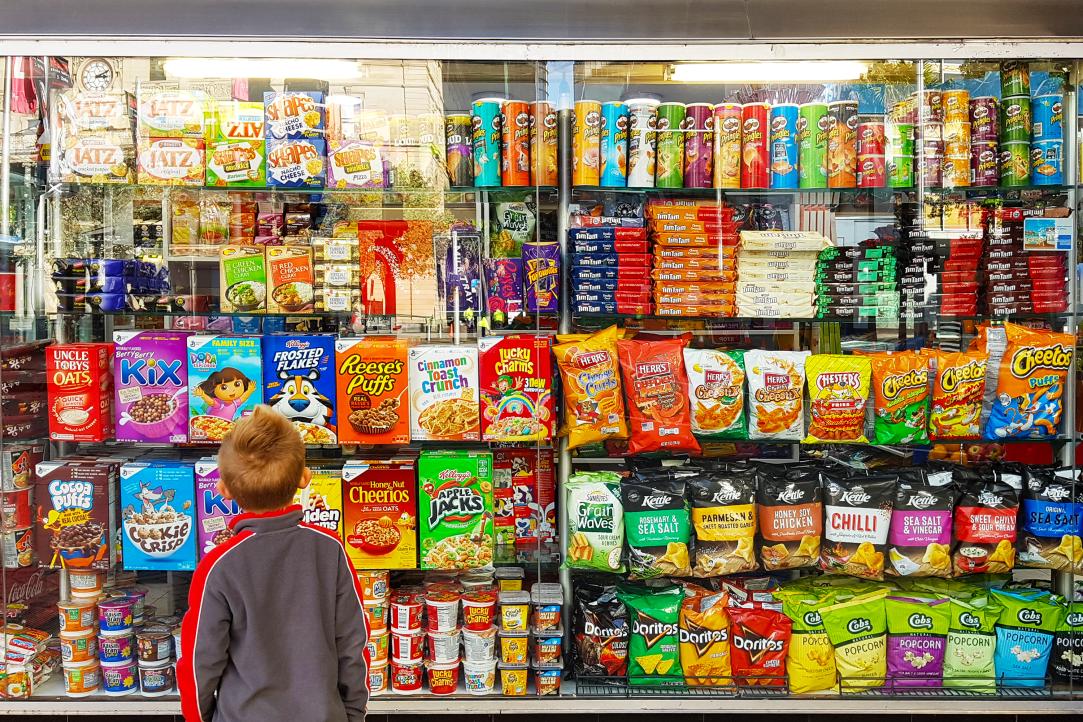
“Just four industries cause 2.7 million deaths in the European Region every year”. This important take-away from the report “Commercial determinants of noncommunicable diseases in the WHO European Region” set the scene for a HDHL-WHO workshop. The final report of this workshop and the main challenges and recommendations is now available.
Context & Aim
Marketing to children and adolescents is changing in a digital world and the response from governments and public health institutions is lagging far behind. Despite existing political commitments and policies, the latest evidence shows that children and adolescents are still regularly exposed to the digital marketing of many unhealthy products. Tools and support are urgently needed to facilitate monitoring and implementation of the WHO recommendations in online settings.
To address this issue, HDHL and WHO/Europe jointly organised the workshop “Policy implementation and coherence on marketing of unhealthy food products to children and adolescents”. The aims of this joint workshop were to:
- explore concrete and coherent policy options for HDHL members and WHO Member States to address children and adolescents’ marketing of unhealthy and unsustainable food products
- explore how HDHL and the wider food, nutrition and health research community can support horizontal and vertical policy development and how to work together on implementing current policy recommendations, to transform to a healthier, more sustainable society.
The workshop targeted an audience comprising of representatives from ministries and funding agencies from 30 countries within and outside of Europe, scientists, European stakeholder organisations, and representatives of the WHO Member States nutrition and obesity focal points.
Key Presentations and Recommendations
The keynote presentations of the workshops focused on policies and instruments, scientific insights, a national case study from Spain, and public health advocacy activities.
After the keynote presentations, four working groups discussed one of four issues: the research agenda, resource mobilisation, political interest and overall challenges. Their main take-aways and recommendations were, among others, to set achievable goals, co-create with stakeholders and align efforts, create incentives to accomplish positive outcomes, and to implement the CLICK-monitoring tool at different levels to support Member States.
Full Summary Report
There is a lack of responsibility and ownership for ‘unhealthy marketing to children and adolescence’, as well as a lack of commitment and awareness at political level and industry level.
Systemic Challenges
Overall, it was concluded that digital marketing of unhealthy products to young children is a concern since they have limited cognitive ability to process advertising messages. Also, marketing strategies and social media platforms change very quick and there are limited research methodologies. There is a lack of responsibility and ownership for ‘unhealthy marketing to children and adolescence’. In addition, there is a lack of commitment and awareness at political level as well as industry level. This results in a systemic problem. It is vital that there are global, European or regional regulations in place for marketing to children, especially related to food high in saturated fats, salt, and free sugars. Broader and urgent implementation of available evidence, policies and tools is required at national and regional levels. This will lead to short-term impact and show health and economic benefits.
Follow-Up Webinar: Digital Food Marketing to Children
Building on this workshop, HDHL is hosting a follow-up webinar: Understanding digital food marketing to children and recent policy developments on February 24, 2026, 15.00–16.30 CEST.