
Turning Evidence into Action: Key Takeaways from the HDHL Conference 2026
On 21 April 2026, the HDHL Conference brought together over 150 participants from 23 countries in Brussels to address a central challenge: despite strong scientific evidence on healthy and sustainable food environments, progress in policy and practice remains slow.
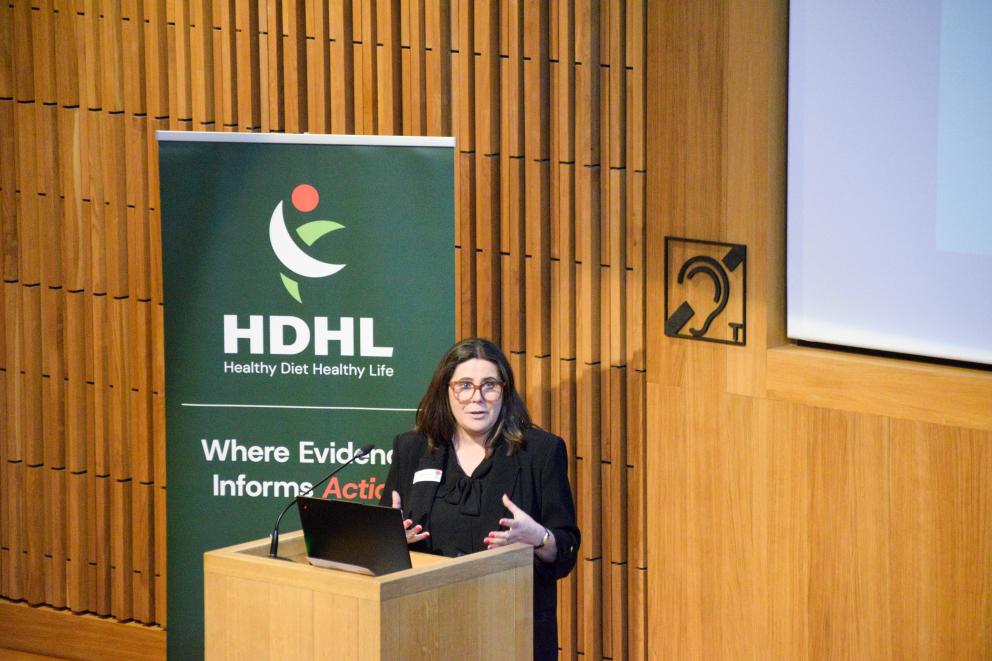
Bringing together researchers, policymakers, civil society organisations, international institutions, industry representatives and early‑career researchers, the conference created a space for open dialogue across sectors. Through plenary discussions, panels, policy labs and interactive sessions, participants explored what is holding back change—and what is needed to move from evidence to action.
When knowledge is not enough to drive change
Food environments shape what people eat, how food is produced and marketed, and who has access to healthy diets. They are directly linked to some of today’s most pressing challenges, including diet-related diseases, food insecurity, inequalities and environmental pressures.
A clear message emerged throughout the day: the main barrier is not a lack of evidence, but how that evidence is translated into policy and action. Power dynamics, governance structures and competing interests continue to influence decision-making and slow progress.

Our aim is to make sure that the European population has the best nutrition advice, backed by the best scientific evidence available to us. To do that, working with all stakeholders and managing power dynamics will be key.
What it will take to move from insight to implementation
Across discussions, participants pointed to a shared set of priorities. These included the need to shift focus from generating more evidence towards implementation, scale-up and enforcement, as well as the importance of stronger governance, transparency and accountability.
The role of participation and inclusion was also a recurring theme. Bringing in lived experience, local knowledge and perspectives from communities affected by food environments was seen as essential for designing effective and equitable policies.
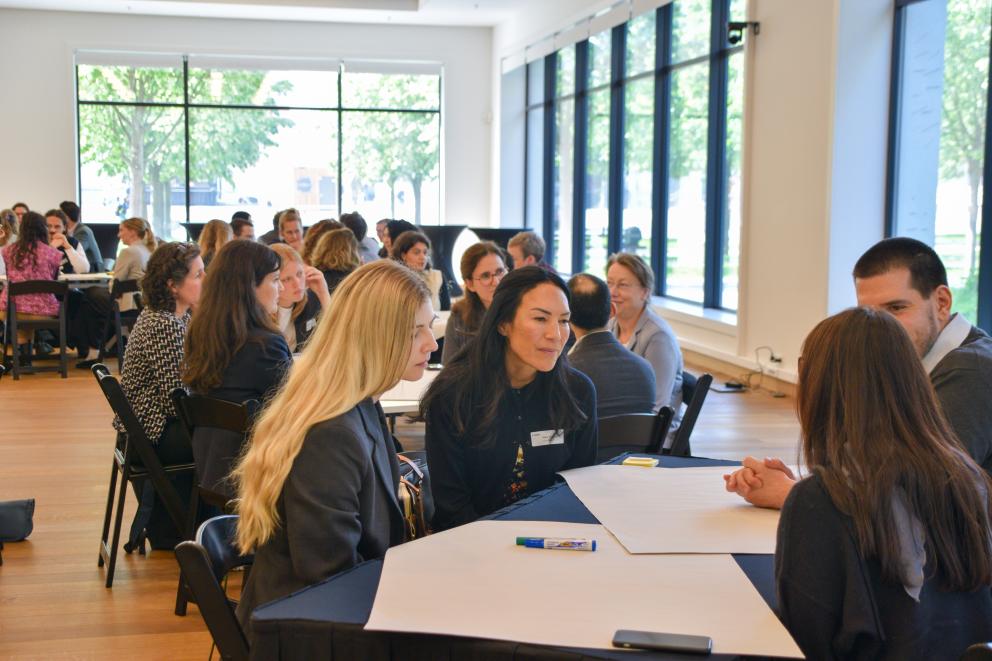
The conference’s participatory approach—particularly through policy labs and interactive sessions—allowed participants to move beyond analysis and identify concrete directions for action. Topics ranged from healthier school food environments and community-based approaches to more inclusive policymaking processes and new forms of collaboration.
Building momentum beyond the conference
Importantly, the conference did not stop at dialogue. It created momentum for continued collaboration and follow-up, including exchanges with organisations such as WHO and concrete ideas emerging from the policy labs.
These outcomes reinforce HDHL’s role as a platform that connects food, nutrition and health communities, fostering collaboration across disciplines and sectors. By creating space for dialogue, critical reflection and joint action, HDHL continues to support efforts to address complex food system challenges in Europe.
Watch the conference video
See the highlights from Brussels and hear from conference participants.
Read the full report
The full HDHL Conference 2026 report offers a more in-depth overview of the key insights, discussions and next steps.