
Zoeken op HDHL
Filters
85
results found for 'Obesity'.
- Image
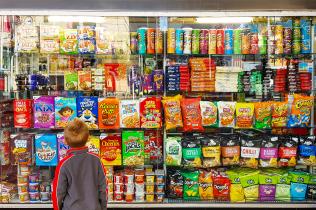 “Just four industries cause 2.7 million deaths in the European Region every year”. This important take-away from the report “Commercial determinants of noncommunicable diseases in the WHO European Region” set the scene for a HDHL-WHO workshop. The final report of this workshop and the main challenges and recommendations is now available.
 - Image
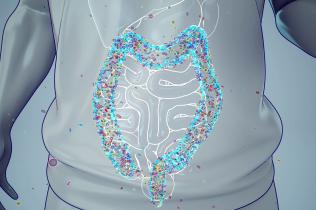 Gut microbiota affects health and type 2 diabetes (T2D). Diet shapes these microbes, and gut-derived metabolites may be altered in T2D based on intake. While fiber metabolism is well-studied, protein's role remains unclear. It is unknown how dietary protein affects glucose and lipid metabolism in T2D.
 - Image
 Since the beginning of 2022, Henrik Pompeius and Alice Grigore have joined the Management Board to represent their respective countries, Sweden and Romania. Henrik works at Formas and Alice, who represents Romania together with Nastasia Belc, is employed by the Romanian Ministry of Research, Innovation and Digitalization. We would like to extend a warm welcome to them both and are pleased to…
 - Obesity promotes Non Alcoholic Fatty Liver Diseases (NAFLD) through mechanisms involving the gut microbiota. From 2 cohorts of obese women (FLORINASH FP7), in which a multilevel omics approach was used, we identified a microbiome architecture indicating increased dietary lipids processing. This was associated with hepatic insulin signaling perturbations, a transcriptomic profile indicative of…
- Background and aimThe human gut microbiota is a complex ecosystem consisting of hundreds to thousands of distinct bacterial species which provide important immune, metabolic and trophic functions for their host. Our knowledge on the processes contributing to microbial dysbiosis has a direct impact on our ability to manage and maintain human health. Early childhood appears a crucial age-window…
- From diet to a healthy immune system: understanding biological food paths to oppose metabolic syndromes and infectious diseases
- In 2015 the JPI HDHL launched the Joint Action: Intestinal Microbiomics. The Joint Action funded 6 projects that started early 2016 for 3 to 3,5 years.
- In January 2017, the first joint funding action of the ERA-Net Cofund “Interrelation of the INtesTInal MICrobiome, Diet and Health” (HDHL-INTIMIC) was launched by nine countries. Projects started in the beginning of 2018 and run for three years.
- Impact of Diet, Food Components and Food Processing on Body Weight Regulation and Overweight Related Metabolic Diseases In February 2019, the JPI HDHL launched METADIS, a 3rd call organised under the umbrella of ERA-Net HDHL-INTIMIC to promote collaborative international research on nutrition and health.
- “Nutrition-responsiveness of the immune system: interplay between infectious diseases and diet-related metabolic diseases and the potential for food-based solutions (NUTRIMMUNE)” In February 2022, JPI HDHL launched a new joint funding activity “Nutrition-responsiveness of the immune system: interplay between infectious diseases and diet-related metabolic diseases and the potential for food-based…
- Background and aimThe FiberTAG project has established a set of biomarkers linking dietary fiber (DF) intake and gut microbiota-related health effect. We aim at refining the concept of DF based on novel biological effects that can occur upon gut microbiota-nutrients interaction by using existing cohorts and by developing innovative approaches to evaluate the health interest of novel insoluble DF…
- PREcisE’s goal is to use longitudinal data from the pre-conceptional period up until adulthood to explore the life-course and molecular pathways pertaining the mother to offspring transmissibility of impaired glycaemic health. The project harnesses very large data from cohorts/biobanks from Spain, Germany, Finland, France and the Netherlands. It also joins hands with related projects (e.g…