
Zoeken op HDHL
Filters
348
results
- Image
 The ERA-Net HDHL-INTIMIC partners are pleased to announce the launch of a 3rd additional non-cofunded joint funding activity “Prevention of unhealthy weight gain and obesity during crucial phases throughout the lifespan” (PREPHOBES).
 - Image
 The ILSI Europe Nutrition & Mental Performance Task Force has now published the final programme of the 4th Symposium on “Nutrition for the Ageing Brain: From Mechanisms to Sustainability”.
 - Image
 Are you a researcher interested in building a consortium to apply to the new calls of the JPI HDHL? We invite you to use the partnership tool available at the following links:
 - Image
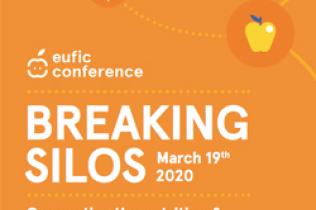 The EUFIC’s 2020 conference that will be held in Brussels on 19th March 2020 is aiming to help filling the knowledge gaps around the “what’s” and “how’s” of healthy and sustainable diets.
 - Image
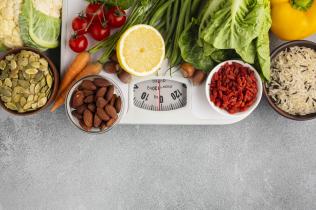 The Working Group “@OBEDIS, Guidelines for Obesity Dietary Interventions Sharing” has worked on harmonization of the way randomized controlled trials (RCTs) are conducted in the field of obesity to allow sharing and merging of databases.
 - The goal of the communication strategy is to improve and strengthen the visibility of 'Healthy Diet, Healthy Life' and effectively disseminate its activities and results amongst the stakeholders community.
- Image
 We are excited to let you know that we are accepting speaker submissions for the Inspiration sessions at the JPI HDHL conference on June 17th 2020. With the Inspiration sessions we intend to stimulate the exchange of new and exciting ideas in the area of food, nutrition and health.
 - Image
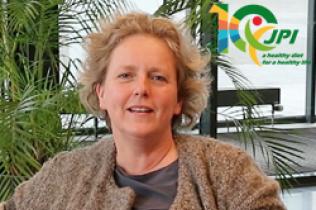 This year the JPI HDHL celebrates its 10 year anniversary. Every month of this festive year we reflect on the past ten years and look to the future with people who have been part of the journey of the JPI HDHL.
 - Image
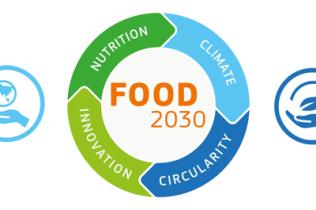 Over the course of the next few months, FIT4FOOD2030 will host four webinars aiming to advocate for responsible research and innovation (RRI) and system thinking for food system transformation. The four webinars will explore various aspects of RRI and systems thinking at different levels of the food system, while drawing upon the FIT4FOOD2030 project outputs and learnings.
 - Image
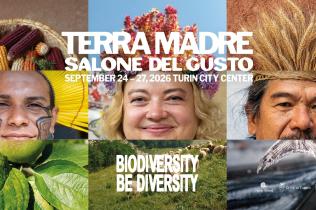 As part of the CLEVERFOOD project, HDHL will organise a session at Terra Madre 2026: "From dialogue to policy and action: co-designing the story and format of healthy and sustainable food policy insights"
 - The Healthy Diet, Healthy Life (HDHL) Early Career Network is a dynamic community of early career researchers in nutrition, physical activity, and health. It promotes research skills, fosters collaboration, and offers networking opportunities through online activities and resource sharing.
- Image
 Join the webinar on nutrition science for just and sustainable food systems on September 18, 2026, 14:00 - 15:00 CEST organised by our own Early Career Network.