
Zoeken op HDHL
Filters
57
results found for 'Biomarkers'.
- Image
 FoodPhyt Training “NUTRIMETABOLOMICS & DATA ANALYSIS for EARLY CAREER SCIENTISTS: Everything you need for a good Mass Spectrometry (MS) - based nutrimetabolomics experiment!” in Barcelona, Spain.
 - Image
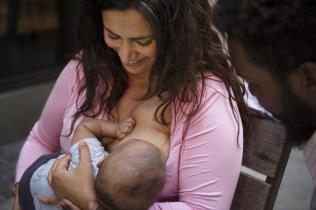 Maternal and infant diets have long-term health effects, including obesity, allergies, and metabolic disorders. However, the exact molecular and cellular mechanisms through which dietary metabolites and contaminants impact health remain unclear.
 - Increasing evidence suggests that several non-communicable diseases, including obesity and its associated metabolic disorders, are inherited from parents to offspring over several generations by non-genetic mechanisms.In this context, it has been suggested that parental environmental cues might induce epigenetic modifications in the germ line, which are transmitted to the progeny. Hence…
- The DINAMIC project investigates the interplay between diet, the gut microbiota, and the host in the context of cardiometabolic health. Using state-of-the-art prospective human cohorts, microbiota profiling allows the consortium to identify specific features associated with disease states. Clinical trials based on dietary interventions and fecal microbiota transplantation were designed and are…
- Background and aim There is an urgent need to find reliable early biomarkers of the cardiometabolic syndrome (CardMetS) allowing intervention before irreversible damage develops while assessing the efficacy of nutritional prevention. Oxylipins could be relevant candidate biomarkers thanks to their involvement in the homeostatic regulation of various process related to the cardiometabolic status…
- Microbiota-Inflammation-Brain axis in heart failure: new food, biomarkerS and AI Approach for the prevention of undeRnutrition in Older Image AbstractIn agreement to the Joint Programming Initiative “A Healthy Diet for a Healthy Life”, the transnational and multidisciplinary AMBROSIA project fits with the areas of food…
- Image
 In the realm of research, achieving tangible impact is no easy feat. Shedding light on this, the recent Impact Assessment conducted between February and June 2023 provides valuable insights into the level of impact and knowledge utilization accomplished by projects funded under ‘Healthy Diet, Healthy Life (HDHL). The full report is available here and at the bottom of this page.
 - PROtein enriched MEDiterranean diet to combat undernutrition and promote healthy neuroCOGnitive ageing in older adults
- Image
 Read the interview with our new Chair Eileen Gibney. She shares her vision on societal challenges and the future of sustainable food systems.
 - Combining vitamin E-functionalized CHOcolate with physical exercise to reduce the risK Of protein-energy malnutrition in pre-dementia AGEd people
- An increased intestinal permeability (IP), also known as leaky gut, could be responsible for activation of the immune system and inflammation, a common mechanism in many chronic age-related diseases. The MaPLE project tested the hypothesis that an increased intake of polyphenol-rich foods can reduce IP and the quantity of inflammogenic bacterial factors in the bloodstream, promoting a protective…
- Sulfur amino acids, energy metabolism and obesity Image AbstractResearch over the last decade suggests that methionine and cysteine, two dietary sulfur amino acids that are abundant in proteins from animal sources, play a role in development of obesity and related metabolic diseases. In rodents, experiments with diets low in…