
Zoeken op HDHL
Filters
211
results found for 'Diet'.
- Image
 The Joint Programming Initiative ‘A Healthy Diet for a Healthy Life’ is hosting its 6th International Conference on April 20 and 21, 2021. Because of the COVID-19 pandemic, the conference will take place digitally. The programme starts on April 20, from 10.00 to 14.00 CET, and continues on April 21, from 14.00 to 18.00 CET.
 - Image
 Stakeholders active at the nexus of food, health and sustainability are calling for enhanced flexibility of funding under FP10 that facilitates integration of research disciplines, uptake of research results, and a shift from individual to systemic determinants of health. United through the Healthy Diet, Healthy Life (HDHL) initiative and the European CLEVERFOOD and FOODPathS projects, experts…
 - Cardiovascular and metabolic diseases are a primary cause of morbidity and mortality worldwide. Diet is a major risk factor for cardio-metabolic health, but is challenging to study in part because metabolic response to diet is highly individualised. Characterising the molecular pathways that mediate personalised responses to diet is critical to effectively tackle the current epidemic. Epigenetic…
- Important gaps remain in our understanding how diet and the composition of the gut microbiota influence the function of our immune system. TransMic focused on communities in sub-Saharan Africa that are in different stages of urbanization and a nutrition and epidemiologic transition. These communities offer unique opportunities to investigate the ‘diet-microbiome-health’ axis for the following…
- Coronary atherosclerosis is a leading cause of mortality and disability worldwide. Continuous efforts are needed to improve secondary prevention and understand the mechanism underlying disease progression. Based on primary prevention trials, a potential benefit of the Mediterranean diet after an acute coronary syndrome can be anticipated. The integrated microbiome-mediated/immunologic and…
- Background and aimRecent findings convincingly demonstrate that Advanced Glycation End Products (AGEs) are modifiable by diet and reflect changes in healthy state. SALIVAGES investigates whether that diet-induced AGEs can act as reliable biomarkers of changes in health status and/or risk, focusing on the most highly accessible source of AGEs, the saliva. The main objectives of SALIVAGES were the…
- The aim of Meatic project is to understand the role of the gut microbiome as determinant of the effect of diet on colorectal cancer risk and to identify specific associated microbiome profiles. We compared in humans (WP1) and experimental animals (WP2-WP3-WP4), a high-risk meat-based diet (MBD) with a pesco-vegetarian diet (PVD) associated with a lower CRC risk and a MBD diet medium risk…
- The effect of diet on immune and vaccine responses in people living with obesity in transitioning communities
- Image
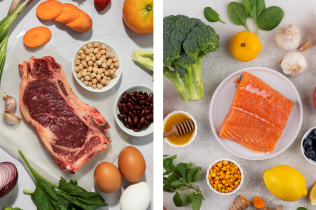 WHO ranks colorectal cancer as the 2nd leading cancer killer. Red and processed meats increase risk, and while the gut microbiome is vital for health and digestion, its exact role in the development of this specific cancer remains unclear and requires more study.
 - Biomarker signatures of diet, physical activity and sleep in children and youth
- The DINAMIC project investigates the interplay between diet, the gut microbiota, and the host in the context of cardiometabolic health. Using state-of-the-art prospective human cohorts, microbiota profiling allows the consortium to identify specific features associated with disease states. Clinical trials based on dietary interventions and fecal microbiota transplantation were designed and are…
- Image
 24 research groups from 7 countries involved in 6 research projects will start working for the upcoming three years to gather new insights about the relationship between nutrition and immunity. Nine additional research teams will collaborate with them with own resources.