
Zoeken op HDHL
Filters
348
results
- “Nutrition-responsiveness of the immune system: interplay between infectious diseases and diet-related metabolic diseases and the potential for food-based solutions (NUTRIMMUNE)” In February 2022, JPI HDHL launched a new joint funding activity “Nutrition-responsiveness of the immune system: interplay between infectious diseases and diet-related metabolic diseases and the potential for food-based…
- Image
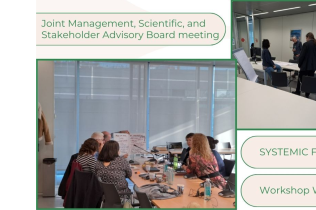 Our Management Board, Scientific Advisory Board, and Stakeholder Advisory Board members joined in Madrid for a three day event.
 - Healthy Diet, Healthy Life (HDHL)’s shared vision, mission, and strategic objectives describe how HDHL contributes to healthier and more sustainable food and health systems by aligning research efforts, mobilising knowledge, and strengthening collaboration across Europe.
- Image
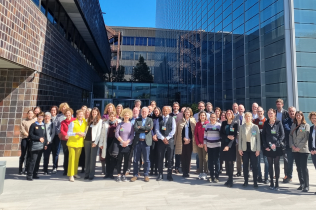 On 12 March, the coordinators and several partners of the SYSTEMIC project gathered in Madrid to present the final results of the project. They were joined by members of the three JPIs HDHL, OCEANS and FACCE, funding agency representatives and members of the HDHL Management Board, Scientific Advisory Board and Stakeholder Advisory Board.
 - Image
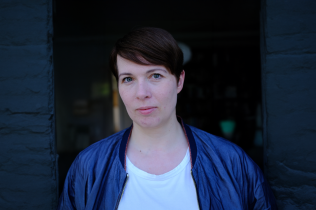 In 2023, the HDHL Management Board welcomed a new member to its ranks, Laura Hanske, representing Germany on behalf of the Federal Ministry of education and research (BMBF). In an exclusive interview, Dr. Hanske shares insights into her background, the impact of Germany's Food Strategy, and critical research topics in food and nutrition for the future.
 - Image
 The JPI HDHL is pleased to announce the launch of “PREVNUT”, a fifth call organized under the umbrella of the ERA-NET ERA-HDHL in order to promote collaborative and international research on nutrition and health.
 - Image
 This year the JPI HDHL celebrates its 10 year anniversary. Every month of this festive year we reflect on the past ten years and look to the future with people who have been part of the journey of the JPI HDHL.