
Zoeken op HDHL
Filters
211
results found for 'Diet'.
- Image
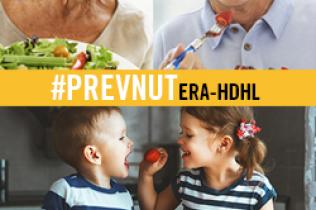 In January 2020 the JPI HDHL launched two new calls: PREVNUT, the fifth call organized under the umbrella of the ERA-NET ERA-HDHL and PREPHOBES, the fourth call organized under the umbrella of the ERA-NET HDHL-INTIMIC. The submission stages were successfully closed in May and now proposals are under evaluation.
 - Objective assessment of dietary nutrient content is essential in weight management and life-style interventions. Increasing evidence suggests that microRNAs (miRs) may be useful as biomarkers of nutritional status. The miRs are short non-coding RNAs that can be released by cells and circulate within the blood in a remarkably stable form. Modulation of circulating miR as well as tissue levels have…
- Image
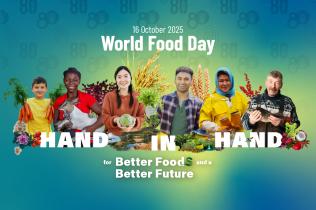 As a leading voice in food and health, HDHL takes this World Food Day 2025 to highlight the urgent global issues that define the state of our food systems as we near the end of 2025.
 - Image
 HDHL (through ZonMw) is a partner in the new EU-funded project CLEVERFOOD. The aim is to transform the European food system towards a more regenerative, resilient and plant-based food system.
 - A comprehensive study of the innate immune surveillance against infection during postprandial metabolism
- Farming edible insects as sustainable animal-source production and packaging systems: novel technologies from improved food and public acceptance
- Image
 Join the webinar on nutrition science for just and sustainable food systems on September 18, 2026, 14:00 - 15:00 CEST organised by our own Early Career Network.
 - Image
How policies can protect the health and life of millions: BREMEN, Germany, November 29, 2022 – The covid-19-pandemic may give a different impression, but non-communicable diseases are by far the leading cause of disability and death in Europe.
- Image
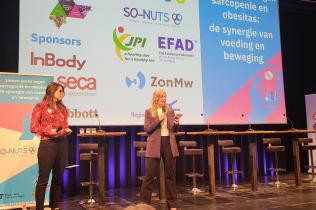 On March 22nd, the symposium on the conditions of Sarcopenia, obesity, and sarcopenic obesity took place. Read in this news article how multidisciplinary teams prevent and combat these conditions.
 - Image
 Obesity and high (saturated) fat intake drive non-alcoholic fatty liver disease (NAFLD) via the gut microbiota. However, the exact interaction between dietary fats and the microbiome in causing this disease remains unknown.
 - Preventing peanut allergy through improved understanding of the transcutaneous sensitisation route, novel food processing and skin care adaptations
- Image
 Last week from October 5-9th, the JPI HDHL funded Policy Evaluation Network (PEN) held their virtual midterm General Assembly to report on their intermediate results and latest developments.